Most bars make their month on two or three nights and coast through the rest. But the rent is the same on a Tuesday, your staff are already on the clock, and a half-empty room costs you whether or not anyone is drinking. The good news is that slow nights are the easiest to fix, because you are starting from nearly zero. Almost anything you do is an improvement, and small wins compound fast when there is nowhere to go but up.
The single most reliable fix is a recurring reason to show up. One-off promotions train nobody. A weekly event that lands on the same night, every week, builds a habit, and habits are what fill a room without you spending on ads every time. Below is the full playbook, roughly in order of return on the effort each tactic takes.
1. Plant one recurring game night
A weekly game night is the highest-leverage weeknight play there is, because it does three things at once: it gives people a specific reason to come in on a specific night, a reason to arrive early to get a table, and a reason to bring friends so they have a team. Trivia is the classic for good reason. Teams book a table, show up early, stay for multiple rounds, and come back next week to defend their score. Bingo pulls a broader, often older crowd and moves fast. Poker keeps a core group parked at the bar for hours.
The old objection was cost and hassle: you had to hire a host, buy equipment, and print materials every week. That is no longer true. Tools like AI-hosted trivia and bingo run on the TV you already have while guests play from their phones, so the entire event costs less than a single night of a human host and effectively runs itself once you press start.
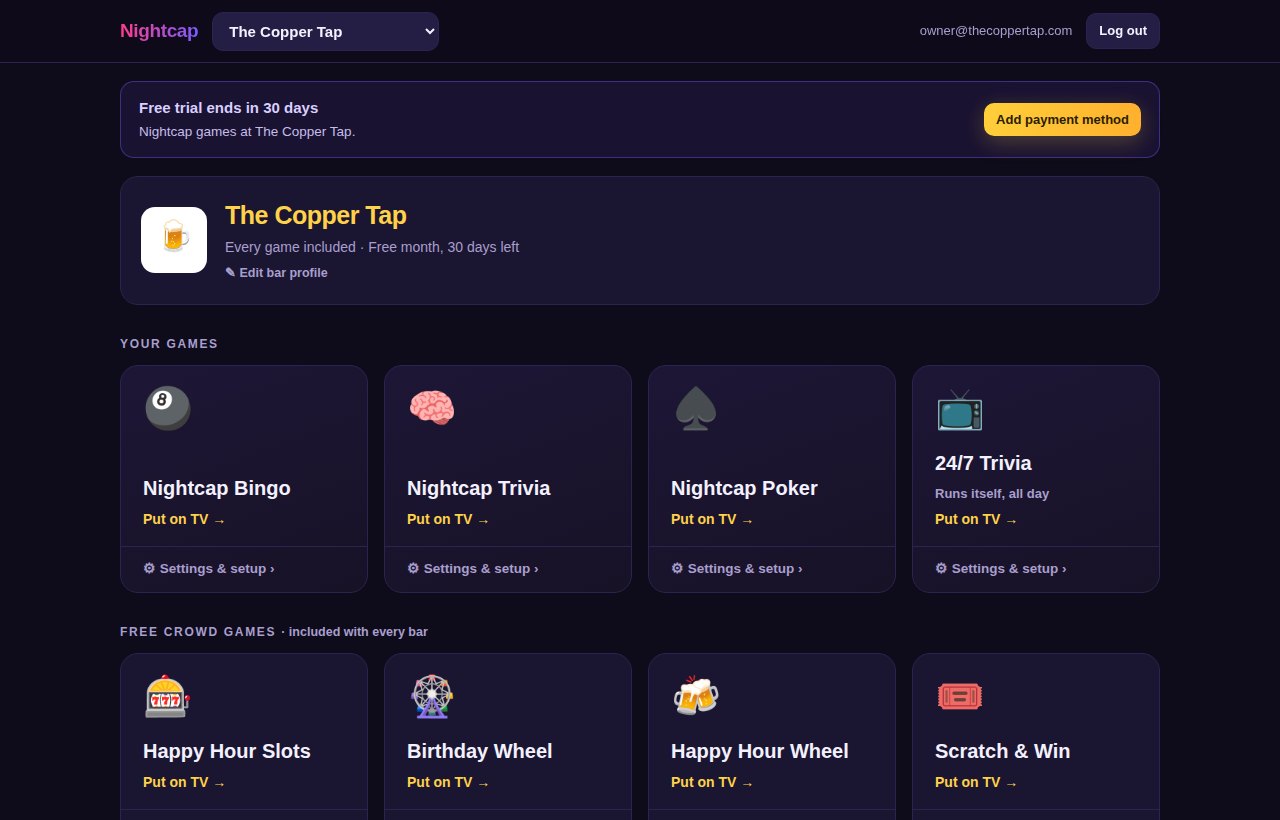
Because setup is nearly zero, you can afford to test more than one night. Turn a game on, run it for a month, and let the crowd tell you whether Tuesday trivia or Wednesday bingo fits your room better.
2. Anchor it with one memorable special
Pair the event with a single, clear, repeatable deal. Not a laminated menu of ten specials, one thing people can remember and text to a friend: half-price wings on trivia night, five-dollar drafts during bingo, a discounted pitcher for the winning team. The special is not really about the discount. It is a headline that makes the night nameable, and a name is what spreads.
Run the math before you set it. If a two-dollar discount on a round is what turns a dead Tuesday into forty covers, the lost margin per drink is trivial against the food and full-price rounds those forty people buy over two hours.
3. Make it impossible to miss
The best event in town does nothing if nobody knows it is happening. Cover three channels and you have done most of the work:
- A recurring listing. Put it on your Google Business Profile as a recurring post, in your Instagram highlights, and on any local event calendars. Searches like "trivia near me" and "bar games near me" carry real volume, and the bar that shows up wins the walk-in.
- In-house signage. A table tent or chalkboard that tells tonight's crowd about next week's event is free marketing aimed at the exact people you most want back.
- An email or text list. A weekly "here is what is on this week" message to regulars is the cheapest marketing you will ever run. Games that capture emails at sign-up build this list for you automatically, night after night.
4. Give people a reason to come back next week
Turn a one-time visit into a habit with a little structure. A running leaderboard across weeks, a small prize for the monthly trivia champion, or a punch card for weeknight visits all give regulars a thread to keep pulling. The prize barely matters. The status and the streak do. A team sitting in second place all month will absolutely come back to try to take first.
5. Layer quick games into the gaps
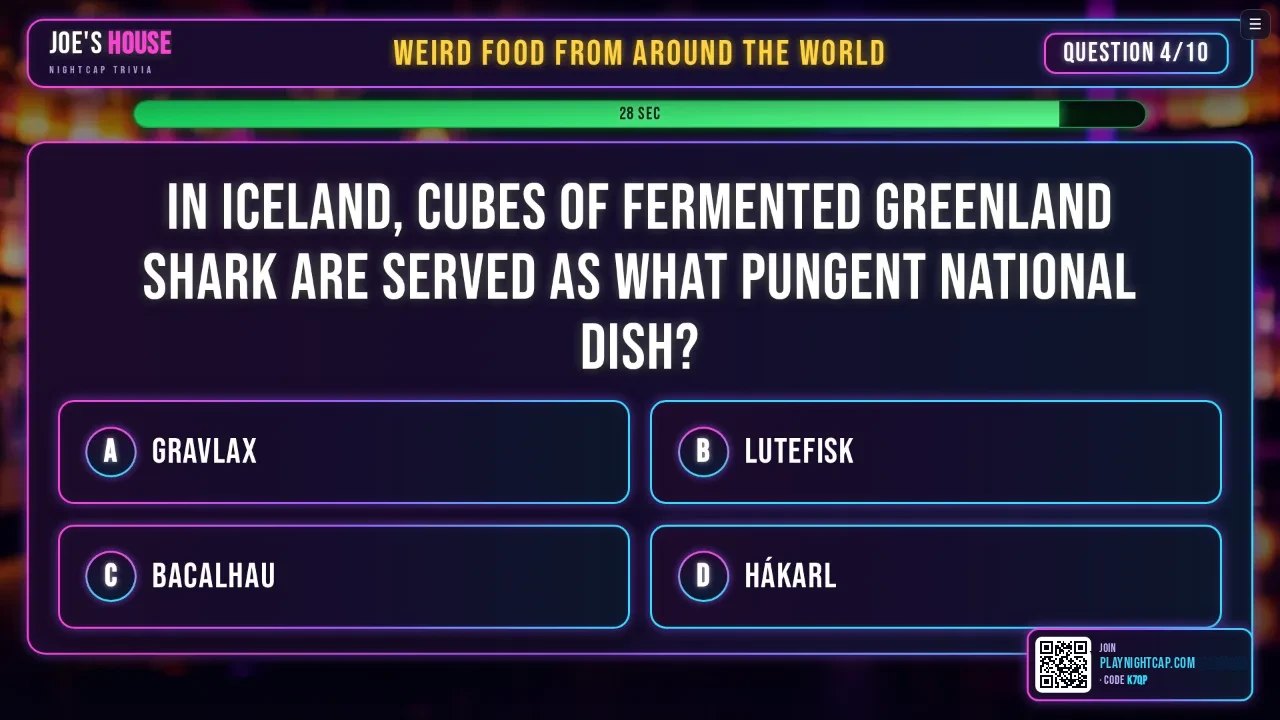
Not every slow night needs a two-hour event. Fast, always-on games fill the dead air before the room fills and between rounds of the main event. A spin-the-wheel for drink specials, a scratch-and-win on the phone, or a "who buys the next round" picker keeps energy up and gives your staff a natural nudge to hand out. Nightcap includes six of these crowd games free, precisely because they are the connective tissue of a good weeknight.
A realistic first month
Here is what a sensible launch looks like, so you are not guessing:
- Week 0: Pick your worst night. Choose one anchor event and one special. Build the Google listing, print the signage, and email your list.
- Weeks 1 to 2: Run it exactly the same each week. Expect it to be quiet. Talk it up in person and collect emails from everyone who plays.
- Weeks 3 to 4: Momentum starts. Introduce a monthly leaderboard or champion so early regulars have something to defend.
- End of month: Compare that night's sales to the same weeknight a month before. Keep what works, adjust the special or the start time if it is close, and only then consider adding a second night.
Let an AI host run the night for you
Nightcap puts trivia, bingo, and poker on the TV you already own and lets patrons play from their phones. Nothing to download, no login. No host to hire, no equipment to buy. Every game is free for 30 days.
Start free trial →The one mistake to avoid
The most common failure is trying to fix all four slow nights at once, or killing an event after one quiet week. Pick a single night, commit to it for a month, and give the habit time to form. Weeknights are the easiest traffic in the business to win back, but only if you let the routine take hold. When you are ready to add the event itself, an AI-hosted game night is the fastest way to stand one up without hiring anyone, and you can have it on your TV tonight.
Frequently asked questions
How long before a weeknight event starts working?
Give it at least four to six weeks. Weeknight habits form slowly, and the first week or two is almost always quiet. The bars that win are the ones that keep the same event on the same night long enough for regulars to build it into their routine.
What is the cheapest weeknight event to start with?
A recurring game night. With AI-hosted games the software runs the whole thing on a TV you already own, so your only real cost is a small prize and one drink special. It is far cheaper than a live band or a paid host.
Should I run the same event every week or rotate?
Anchor one night with the same event every week so it becomes a habit, then rotate themes within it. Consistency of the time slot matters more than novelty of the format.
How do I measure whether it is working?
Track covers or sales on that specific night against the same weeknight a month earlier, not against your weekend. Watch for repeat faces too, since the real win is regulars, not one-time walk-ins.